Tuesday, May 14, 2013

Meiosis review questions


1.     Explain how meiosis differs from mitosis.
2.     Why meiosis is called reduction division? What is being reduced? What is being divided?
3.     A) What is synapsis? B) Draw a tetrad. C) Draw a crossing over using different colors. D) during what stage synapsis occur?
4.     Why from an evolutionary perspective synapsis make sense?
5.     Explain the advantage of meiosis during sexual reproduction over mitosis during asexual reproduction from an evolutionary perspective.
6.     Why is important that sex cells are haploid? Explain why the accuracy of meiosis play a major role in the survival of a child and give an example of what happens when there is a mistake in meiosis? Use a human life cycle as an example.
7.     Diagram and label what is happening at each stage of meiosis. Use 4 homologue pairs.

Friday, April 5, 2013

Fermentation lab Important information


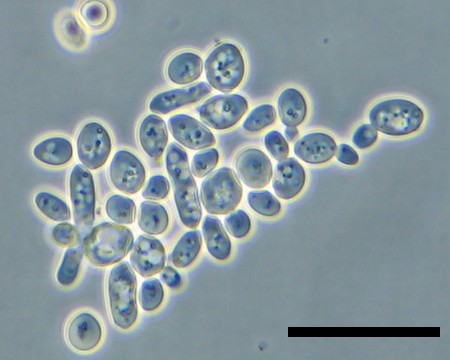
Budding yeast cells

(look on the right hand side of the picture 2/3rds of the way up)


5 and 6.  The bottle with the yeast had an strong odor of alcohol.

7. You can use the data from questions 5 and 6 as well as the lab data to answer this question.

8. Read the statement in the question

9. The bottle with the yeast showed a yellow result

10. Use the answers from questions 8 and 9 to complete this question.


Monday, April 1, 2013

Leaf Lab images


Underside of leaf


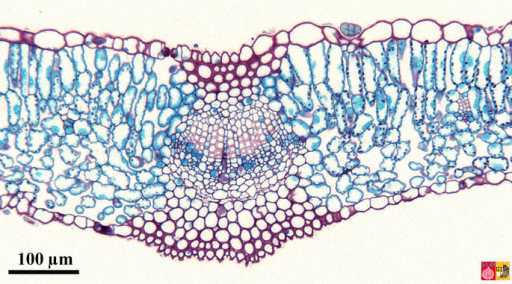
Cross section of leaf


Friday, February 8, 2013

Osmosis Lab


  1. Blot dry tubing and mass
  2. Post data
  3. Clean up cups
  4. Graph data (use and average all data)
  5. Answer: 
    1. What is shown by the results?
    2. Explain what happened. Include the appropriate terms and diagrams
  6. Using the data provided here graph the results.
    1. Using the graph created determine what the concentration of the unknown solution.


Data Collection Form


Results


Monday, December 10, 2012

carbon footprint

Calculate your carbon footprint

Calculator


Upon calculating your footprint choose 1 area that you assessed and develop a plan to reduce your carbon emissions.

Calculate the following

1. How much would you reduce your footprint by making this change?
2. How much would this change cost you as a consumer.

Monday, November 12, 2012

Population Unit Assessment

Assessment Tuesday Nov 13th

Work to be turned


  • 19-1 notes 
  • 19-2 notes
  • 19-3 notes
  • Population packet
  • Human population growth lab
  • Estimating populations lab (skittle lab)
  • Predator prey populations lab
  • Review Sheets